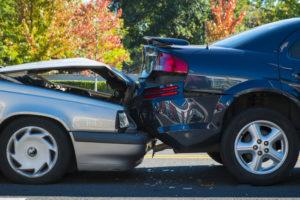



Teen drivers often bring additional risks to Louisiana roads. Accidents involving young drivers often raise complex legal and financial questions, particularly regarding parental responsibility and insurance coverage. When a teenager causes or is involved in a crash, families may face significant expenses, including medical bills, property damage, insurance complications, as well as other legal issues.
At Morris Bart, we help families understand how Louisiana law applies to teen driver accidents, when parents may be held responsible, and how insurance coverage typically works after a crash.
Understanding Teen Driving in Louisiana
Louisiana uses a graduated driver’s license system for teen drivers. This system is designed to limit risk while young drivers gain experience. Teens must complete driver education, log supervised driving hours, and hold a learner permit for a required period of time before earning full driving privileges.
The purpose of this system is to reduce crashes caused by inexperience, poor judgment, and distraction, which are statistically more common among teen drivers.
Once a teen is licensed, Louisiana law generally treats them like any other driver. If a teen’s negligent actions, such as speeding, distracted driving, failure to yield, or unsafe decision-making, cause an accident, the teen may be held legally at fault.
Because teens are still developing driving skills, common contributing factors in teen crashes include delayed reaction time, misjudging traffic conditions, and violations of traffic laws or licensing restrictions.
When Can Parents or Guardians Be Held Legally Responsible?
One of the most common concerns after a teen driver accident is whether a parent or guardian may also be held liable. Under Louisiana law, parents may be held responsible in certain situations, most often under theories such as negligent entrustment or vicarious liability.
Negligent Entrustment
Negligent entrustment may apply when a parent allows a teenager to drive, even though the parent knew or should have known that the teenager was not safe to drive. Examples may include allowing a teen to drive despite a history of reckless behavior, lack of proper licensing, repeated traffic violations, or known substance use.
If a parent knowingly provides a vehicle to an unfit or unsafe teen driver, and that teen causes a crash, the parent may be held responsible for resulting damages.
Vicarious Liability and Vehicle Ownership
In some cases, injured parties may pursue claims against the vehicle’s owner, who is often a parent. While Louisiana does not automatically impose liability solely because a parent owns the vehicle, courts may closely examine the circumstances. This includes whether the parent insured the vehicle, whether the teen had permission to drive, and whether the parent exercised reasonable care in allowing the teen to use the car.
Courts may also consider whether the teen was properly licensed, whether graduated licensing rules were followed, and whether the parent allowed the teen to drive under conditions that increased risk, such as late-night driving or transporting too many passengers.
If a parent knowingly allowed unsafe or unlawful driving conditions, legal exposure may extend beyond the teen driver alone.
Insurance Considerations After a Teen Driver Accident
Because teen drivers are statistically more likely to be involved in accidents, insurance companies view them as high-risk. As a result, premiums often increase when a teen is added to a policy.
If a teen causes an accident, the auto insurance policy covering the vehicle is typically the first source of compensation. In many cases, this is the parents’ policy if the vehicle is owned and insured in their name. That policy may provide coverage for bodily injury and property damage, subject to the policy’s terms and limits.
For property damage claims, insurance companies generally pay up to the fair market value of the vehicle if it is declared a total loss. Insurers are not required to pay the full cost to replace the vehicle if the replacement cost exceeds its fair market value.
Serious crashes can result in losses that exceed available insurance limits. When damages exceed policy limits, injured parties may pursue additional compensation through legal claims against the teen driver, their parents, or both, depending on the circumstances.
Insurance issues could become more complex if the teen violated licensing restrictions, such as driving without proper supervision or breaking graduated licensing rules. In those situations, insurers and courts may more closely scrutinize whether coverage applies and how liability is allocated.
Challenges Unique to Teen Driver Accident Cases
Teen driver accident cases often involve added complexity. Determining fault may require a careful analysis of police reports, witness statements, vehicle data, and, in some cases, the assistance of accident reconstruction experts.
Insurance coverage can also be an issue. Teen drivers may have lower policy limits, and violations of licensing rules can lead to disputes over coverage. In those situations, injured parties may need to explore whether parental liability applies.
Families may also face long-term consequences after a teen driver crash, including increased premiums or policy cancellation, which can add significant financial stress.
What Steps Can Parents Take to Reduce Risk?
Given the heightened risks, parents can take proactive measures to protect themselves and their teen drivers, including:
- Ensure the teen fully completes all required steps under Louisiana’s graduated licensing system, including driver education, required supervised hours, nighttime practice, and compliance with passenger and passenger-age restrictions.
- Add the teen to the family auto insurance policy and verify that liability and uninsured/underinsured motorist (UM/UIM) coverage are adequate.
- Reinforce safe driving habits, including avoiding distractions, obeying speed limits and traffic laws, and never driving under the influence.
- Limit high-risk driving situations, including late-night driving and carrying multiple passengers.
- Educate your teen on what to do if an accident occurs, including documenting the scene, obtaining a police report, collecting witness information, and photographing vehicle damage and roadway conditions.
How Morris Bart Can Help in Teen Driver Accident Cases
Morris Bart has extensive experience handling accidents involving teen drivers. These cases often involve layered liability issues, insurance disputes, and questions about parental responsibility. We help clients by:
- Evaluating whether the teen driver or parents may be legally liable
- Identifying available insurance coverage, including liability and UM or UIM policies
- Preserving evidence and investigating the cause of the crash
- Handling negotiations with insurance companies
- Pursuing personal injury or property damage claims when appropriate
Having a Louisiana-based legal team that understands these complexities can make a meaningful difference in the outcome of a teen driver accident case.
Teen Driver Accidents in Louisiana: Know Your Rights
Teen driver accidents can have serious consequences for both teens and their families. Inexperience, distraction, and poor judgment often play a role, and the legal and financial fallout can extend beyond the driver alone.
Understanding how Louisiana law treats parental liability, negligent entrustment, and insurance coverage is critical after a crash.
If your teen was involved in an accident or if a teen driver injured you, Morris Bart is here to help you understand your options. Contact us today for a free consultation.
Questions?Call us, Louisiana.
800-537-8185