

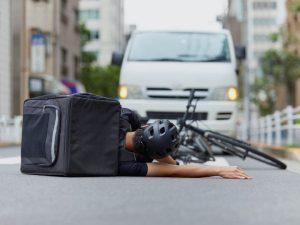
Understand Your Rights After a Collision with an App-Based Delivery Driver
Food delivery services like Uber Eats and DoorDash have become part of everyday life across Louisiana. While these services offer convenience, they have also introduced new risks on Louisiana roadways.
Delivery drivers often navigate busy streets, tight deadlines, and unfamiliar neighborhoods while managing multiple orders and app notifications in real time. Under these conditions, accidents are bound to happen.
When a crash involves a food delivery driver, victims are often faced with complex insurance questions and aggressive corporate defenses. Understanding your legal rights is critical to protecting your ability to recover fair compensation.
Why Do Delivery Drivers Create Unique Roadway Risks?
Pressure From Apps and Ratings
Food delivery drivers are under constant pressure to complete orders quickly to maintain high ratings and remain eligible for work. Late deliveries, rejected orders, or poor customer feedback can negatively impact a driver’s income and access to the platform. As a result, drivers may speed, roll through stop signs, make unsafe turns, or attempt sudden lane changes to save time.
Inexperience and Minimal Training
Most food delivery drivers are classified as independent contractors and receive little formal training. Many are everyday drivers who may be unfamiliar with the risks associated with commercial driving, yet they spend long hours on the road, often during peak traffic times or late at night. In many cases, drivers also travel from outside the city to work, making them less familiar with local roads, traffic patterns, and high-risk intersections.
Distracted Driving
Food delivery requires drivers to interact with their phones constantly. Drivers may be checking navigation, accepting or declining orders, messaging customers, or confirming deliveries while driving. This level of distraction significantly increases the risk of serious collisions, particularly in densely populated urban areas.
Liability Challenges in Food Delivery Driver Accidents
Driver Insurance May Not Be Enough
The at-fault driver may carry only minimum personal auto insurance, which is often insufficient to cover serious injuries, extended medical care, or lost income after a crash.
When the Delivery Company May Be Responsible
Food delivery companies often argue they are not responsible because drivers are independent contractors. However, liability may still apply if the company exercises control through its app, delivery requirements, performance monitoring, or incentive systems that encourage unsafe driving behavior.
App-Based Evidence Matters
Data from delivery apps can show whether a driver was actively working, under time pressure, or following app-directed routes at the time of the crash. This information is critical in determining whether additional insurance coverage or corporate responsibility applies.
What Compensation Is Available to Accident Victims?
Economic Damages
Economic damages cover the financial losses caused by a food delivery driver accident. These may include medical bill expenses such as emergency care, hospitalization, surgery, rehabilitation, prescription medication, and future treatment. Victims may also recover lost wages for time missed from work and compensation for reduced earning capacity if injuries affect the ability to return to the same job.
Property damage is also recoverable, including vehicle repair or replacement based on fair market value, as well as other out-of-pocket costs related to the crash.
Non-Economic Damages
Non-economic damages compensate victims for the personal impact of an accident, not just financial losses. This may include physical pain, emotional distress, and the mental toll of living with injuries. When an accident limits your ability to enjoy daily activities, hobbies, or time with family, damages for loss of enjoyment of life may apply. Serious injuries that cause permanent disability, scarring, or reduced mobility are also considered.
Punitive Damages
Punitive damages are awarded only in limited cases and are meant to punish especially reckless behavior and deter similar conduct. In food delivery driver accidents, these damages may apply when a driver acts with extreme disregard for safety, such as driving while intoxicated or engaging in highly reckless conduct. An attorney can evaluate whether the facts of a case meet Louisiana’s strict legal standards for punitive damages.
What to Do After a Food Delivery Driver Accident
At the Scene
- Call 911 and seek medical attention immediately, even if injuries appear minor.
- Photograph the vehicles, license plates, road conditions, and any visible injuries.
- Obtain the driver’s insurance information and confirm whether they were actively delivering food at the time of the crash.
- Collect witness contact information.
- Avoid making statements that minimize your injuries.
For a free legal consultation with a Food Delivery Driver Accident lawyer serving Louisiana, call (504)-613-4771
In the Days That Follow
- Attend all medical appointments and document symptoms as they develop.
- Keep copies of medical records, bills, and insurance correspondence.
- Notify your insurer of the accident, but avoid recorded statements until you have spoken with a lawyer.
- Preserve your vehicle and any evidence related to the crash.
Why Acting Quickly Is Critical
Louisiana law generally allows injury victims two years from the date of an accident to file a personal injury lawsuit. Missing this deadline can permanently bar your ability to recover compensation, regardless of how strong your claim may be.
Waiting can also make proving your case more difficult. Physical evidence can be lost, surveillance footage may be erased, and digital records from delivery apps or GPS systems may be deleted. Witness memories fade over time, and details that once seemed clear can become uncertain. Acting quickly helps preserve evidence and allows your attorney to build a stronger case while the facts are still fresh.
Louisiana law is also changing how fault is evaluated in personal injury cases. Beginning in 2026, modified comparative fault rules are scheduled to take effect, which could limit recovery for victims found to be primarily responsible for an accident. Because delivery driver crashes often involve disputed fault, these changes may increase the importance of conducting thorough investigations and gathering clear evidence.
How Morris Bart Personal Injury Lawyers Can Help
For over four decades, Morris Bart has represented accident victims throughout the state of Louisiana. We understand how food delivery companies and insurers attempt to avoid responsibility, and we know how to challenge those defenses.
Our team investigates all potentially liable parties, secures app-based and digital evidence, works with medical and financial experts, and aggressively negotiates with insurance companies. When necessary, we are fully prepared to take cases to trial.
With offices throughout Louisiana and a contingency-fee structure, you pay nothing unless we recover compensation on your behalf.
Don’t Fight Delivery Companies Alone
If you were injured in a crash involving a food delivery driver, whether from Uber Eats, DoorDash, or a similar service, you deserve full and fair compensation. These companies act quickly to protect themselves after an accident. You should have experienced legal representation doing the same for you.
Contact Morris Bart today for a free consultation and learn how we can help you move forward.
Questions?Call (504)-613-4771
to find a Morris Bart office near you.