

How Wearable Tech Data Can Support Your Injury Claim in Louisiana
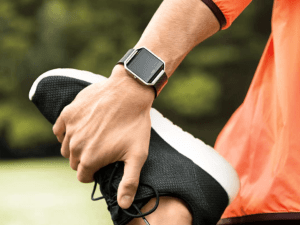
Wearable tech evidence is playing a growing role in Louisiana car accident claims. Devices like Fitbits, smart watches, fitness rings, and smart glasses collect detailed, time-stamped data that can be used as evidence in Louisiana for car accident claims. Increasingly, crash victims are relying on this information to support their injury claim or provide strong evidence when insurers question their injuries.
How Can Wearable Tech Data Help Prove Injuries After a Louisiana Car Wreck?
Documenting a Drop In Activity
Fitbits and other wearable technologies to track steps, heart rate, sleep, and overall movement. After a crash, many people show a sharp decline in activity, fewer steps, more rest days, disrupted sleep, or reduced exertion.
This objective pattern can help prove:
- Reduced mobility
- Ongoing pain
- Daily limitations
These are all aspects of your injury that traditional medical records may not fully capture.
Verifying Where You Were and What You Were Doing
Some wearables record GPS, movement patterns, or even incidental video. If an insurer disputes your story, the data can confirm:
- Your exact location
- Time of the crash
- Activity before and after the collision
This can be extremely valuable in contested-fault cases
Supporting Long-Term or Chronic Injury Claims
Injuries often develop or worsen over time. Weeks or months of:
- Sleep disruption
- Elevated resting heart rate
- Prolonged inactivity
These can help show the true scope of your injuries, especially when a condition becomes chronic.
Providing Objective, Time-Stamped Evidence
Wearable data creates a digital timeline that can support or contradict testimony. Courts increasingly treat this as legitimate evidence — as long as it is properly authenticated.
For Louisiana crash victims, this may help counter insurance arguments that your injuries are exaggerated or unrelated.
How Does Louisiana Law Affect Whether Wearable Tech Can Be Used in a Car Accident Claim?
While wearable tech evidence can strengthen your claim, Louisiana has specific legal rules that determine how this data can be requested, used, and challenged.
Wearable Data May Be Discoverable
Under Louisiana’s Rules of Civil Procedure, electronically stored information, including Fitbit, smartwatch, and smart glasses data, can be requested during discovery. Once a claim is filed, you may be required to preserve and produce relevant activity logs, location data, or biometric information. This makes early legal guidance essential.
Authentication Is Required Under Louisiana Law
Louisiana courts follow the Louisiana Code of Evidence, which requires proof that wearable data:
- came from your device,
- is accurate and reliable, AND
- has not been altered or manipulated.
If the data cannot be properly authenticated, the court may give it little or no weight.
Wearable Data is Not Protected by HIPAA
Unlike medical records, data from Fitbits and smartwatches may fall outside the scope of federal healthcare privacy laws. Sharing it with insurers or third parties without legal advice can expose you to unnecessary risk.
Insurers May Try to Use the Data Against You
Insurance companies often analyze wearable records looking for:
- “normal” activity days
- steps taken during recovery
- Inconsistencies in your reported limitations.
Without context from medical experts or your attorney, these interpretations can be misleading. Proper legal representation helps ensure the data is understood and used correctly.
How Can Louisiana’s NEW Modified Comparative Fault Rule Make Evidence Even More Important?
Effective January 1, 2026, Louisiana will shift from a pure comparative fault system to a modified comparative fault rule under House Bill 431.
With the new modified comparative fault system:
- If you are 51% or more at fault, you are barred from recovering any damages.
- Even small increases in your assigned percentage of fault can eliminate your ability to recover.
This makes objective, time-stamped evidence — including wearable technology data — even more valuable as it may help:
- Reconstruct events more accurately
- Refute claims that you were primarily responsible
- Show physical limitations that contradict an insurer’s narrative
- Support your version of the crash when fault is disputed
For future Louisiana cases, wearable evidence could make or break a claim.
How Morris Bart Uses Wearable Tech to Strengthen Your Case
Our car accident attorneys know how to turn wearable data into meaningful, court-ready evidence. When appropriate, we:
- Work with forensic and data analytics experts who specialize in wearable technology
- Authenticate Fitbit and smartwatch data under the Louisiana Code of Evidence
- Incorporate the information into medical records, expert testimony, and accident reconstruction
- Protect your privacy and guide you through discovery
- Use reductions in activity, disrupted sleep, and location data to show how your life changed after the crash
This strategy can significantly strengthen your Fitbit injury claim, especially as Louisiana’s fault laws evolve.
What Should You Do After a Louisiana Car Accident If You Wear a Fitbit, Oura Ring, or Smartwatch?
- Keep wearing it consistently. Do not delete or alter any data.
- Back up your data. Export Fitbit or smartwatch logs to a secure location.
- Bring the device to your attorney early. Your lawyer can help preserve and interpret the data properly.
- Don’t send wearable data to the insurance company. Insurers may misuse the information. Always speak with a lawyer first.
Why Does Wearable Tech Data Matter for Louisiana Crash Victims?
Louisiana has one of the shortest filing deadlines in the country. Under Louisiana Civil Code (CC) §3493.1, most personal injury claims now carry a two-year prescriptive period, unless the accident occurred before July 1, 2024, in which case the previous one-year prescriptive period still applies.
Wearable data helps document injuries early and consistently, which strengthens your case against insurance pushback. And with the upcoming modified comparative fault rule, having clear, objective evidence will soon become even more critical for protecting your right to compensation.
Contact Morris Bart Today for a Free Consultation
If you were injured in a Louisiana car accident and wear a Fitbit, fitness ring, smartwatch, or smart glasses, your device may hold powerful evidence that supports your case. The attorneys at Morris Bart can help you use your wearable tech car accident evidence effectively.
Let us help you turn your wearable tech into evidence that protects your rights and strengthens your Fitbit injury claim.
Questions?Call us, Louisiana.
800-537-8185